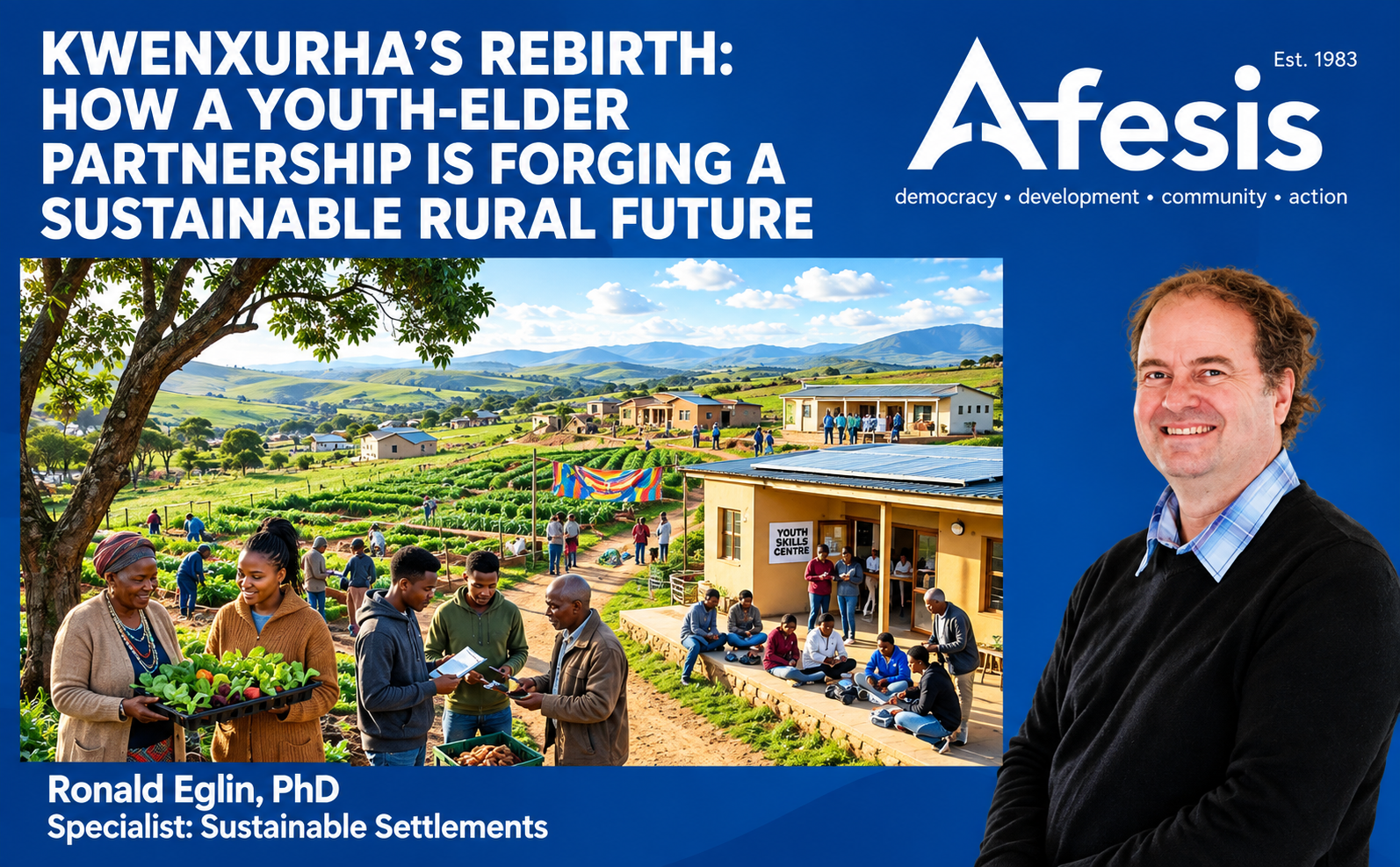
Khwenxurha’s Rebirth: How a Youth-Elder Partnership is Forging a Sustainable Rural Future
Find the full article by clicking here
A Rural Renaissance Sparked by Community Unity
In 2026, the traditional rural-village landscape of Khwenxurha faced complete destruction from an aggressive, unwanted township development. Instead of giving in, local youth activists joined forces with respected village elders to form a powerful, structural alliance that completely halted uncontrolled growth and reversed youth out-migration. By combining the deep cultural wisdom and political leverage of the elders with the digital ambition of the younger generation, this remote community transformed itself into a thriving, self-sustaining hub of rural innovation.
In 2026, the traditional rural-village landscape of Khwenxurha faced complete destruction from an aggressive, unwanted township development. Instead of giving in, local youth activists joined forces with respected village elders to form a powerful, structural alliance that completely halted uncontrolled growth and reversed youth out-migration. By combining the deep cultural wisdom and political leverage of the elders with the digital ambition of the younger generation, this remote community transformed itself into a thriving, self-sustaining hub of rural innovation.
A Blueprint for Future Prosperity and Innovation
Fast forward to 2034, and Khwenxurha has successfully leveraged its rural charm to build a booming service economy anchored by a premier retirement destination, global digital incubators, and eco-friendly woodland conservation projects. With an upcoming specialised healthcare tertiary campus, bustling regional cultural festivals, and a cutting-edge closed-loop circular economy on the horizon, this inspiring story proves how rural areas can independently claim their future. Read the full article to discover how this community stopped waiting for government directives and actively built a vibrant, generation-bridging paradise.
Fast forward to 2034, and Khwenxurha has successfully leveraged its rural charm to build a booming service economy anchored by a premier retirement destination, global digital incubators, and eco-friendly woodland conservation projects. With an upcoming specialised healthcare tertiary campus, bustling regional cultural festivals, and a cutting-edge closed-loop circular economy on the horizon, this inspiring story proves how rural areas can independently claim their future. Read the full article to discover how this community stopped waiting for government directives and actively built a vibrant, generation-bridging paradise.
;A%20Rural%20Renaissance%20Sparked%20by%20Community%20Unity/strongbr%20data-sfc-root=ep%20data-sfc-pl=|||%5B%5D%20data-complete=true%20data-processed=true%20data-copy-service-computed-style=font-family:%20"Google%20Sans",%20"Helvetica%20Neue",%20sans-serif;%20font-size:%2016px;%20font-weight:%20400;%20margin:%200px;%20text-decoration:%20none;%20border-bottom:%200px%20rgb(10,%2010,%2010);In%202026,%20the%20traditional%20rural-village%20landscape%20of%20Khwenxurha%20faced%20complete%20destruction%20from%20an%20aggressive,%20unwanted%20township%20development.%20Instead%20of%20giving%20in,%20local%20youth%20activists%20joined%20forces%20with%20respected%20village%20elders%20to%20form%20a%20powerful,%20structural%20alliance%20that%20completely%20halted%20uncontrolled%20growth%20and%20reversed%20youth%20out-migration.%20By%20combining%20the%20deep%20cultural%20wisdom%20and%20political%20leverage%20of%20the%20elders%20with%20the%20digital%20ambition%20of%20the%20younger%20generation,%20this%20remote%20community%20transformed%20itself%20into%20a%20thriving,%20self-sustaining%20hub%20of%20rural%20innovation. strong%20data-sfc-cp=%20data-sfc-root=ep%20data-complete=true%20data-processed=true%20data-copy-service-computed-style=font-family:%20"Google%20Sans",%20"Helvetica%20Neue",%20sans-serif;%20font-size:%2016px;%20font-weight:%20700;%20margin:%200px;%20text-decoration:%20none;%20border-bottom:%200px%20rgb(10,%2010,%2010);A%20Blueprint%20for%20Future%20Prosperity%20and%20Innovation/strongbr%20data-sfc-root=ep%20data-sfc-pl=|||%5B%5D%20data-complete=true%20data-processed=true%20data-copy-service-computed-style=font-family:%20"Google%20Sans",%20"Helvetica%20Neue",%20sans-serif;%20font-size:%2016px;%20font-weight:%20400;%20margin:%200px;%20text-decoration:%20none;%20border-bottom:%200px%20rgb(10,%2010,%2010);Fast%20forward%20to%202034,%20and%20Khwenxurha%20has%20successfully%20leveraged%20its%20rural%20charm%20to%20build%20a%20booming%20service%20economy%20anchored%20by%20a%20premier%20retirement%20destination,%20global%20digital%20incubators,%20and%20eco-friendly%20woodland%20conservation%20projects.%20With%20an%20upcoming%20specialised%20healthcare%20tertiary%20campus,%20bustling%20regional%20cultural%20festivals,%20and%20a%20cutting-edge%20closed-loop%20circular%20economy%20on%20the%20horizon,%20this%20inspiring%20story%20proves%20how%20rural%20areas%20can%20independently%20claim%20their%20future.%20Read%20the%20full%20article%20to%20discover%20how%20this%20community%20stopped%20waiting%20for%20government%20directives%20and%20actively%20built%20a%20vibrant,%20generation-bridging%20paradise. img%20src=https://afesis.org.za/wp-content/uploads/2026/07/Youth-development-article-300x188.png%20alt=%20width=417%20height=261)